Snacking on the Lawn, What Does It Mean?
- Cecilia Boyer

- Sep 20, 2022
- 2 min read
Updated: May 8
Dogs may eat grass for various reasons, with one common explanation being that it helps them induce vomiting to alleviate digestive discomfort. This behavior, known as pica, is a natural instinct for canines and is believed to have evolutionary roots in their wild ancestors. Additionally, some experts suggest that dogs may consume grass as a source of fiber or to fulfill a nutritional need, especially if their regular diet lacks certain nutrients. Another theory is that grass consumption may simply be a way for dogs to explore their environment or alleviate boredom. Despite the numerous theories, the exact reason why dogs eat grass remains somewhat of a mystery, and individual dogs may have unique motivations for this behavior.
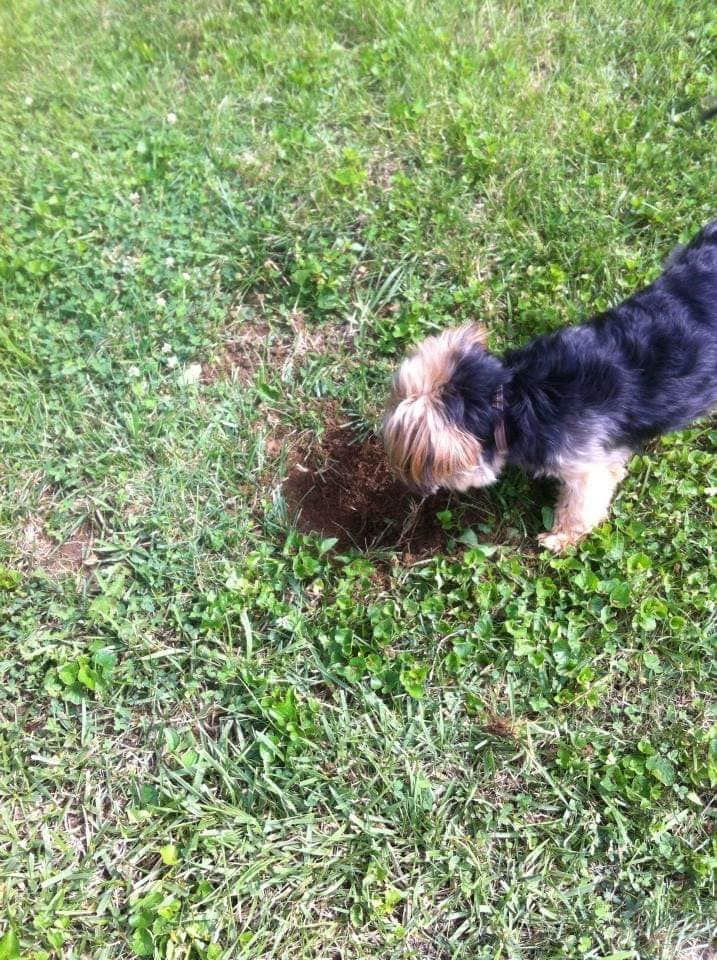
Eating grass can indicate that a dog is seeking additional fiber in its diet. Fiber is an essential component for a dog's digestive health, aiding in proper digestion and promoting regular bowel movements. Dogs may naturally seek out grass as a source of fiber if they are lacking it in their regular diet. It is important for dog owners to pay attention to their pet's behavior and consult with a veterinarian to address any potential dietary deficiencies. Providing a well-balanced diet rich in fiber through high-quality dog food and occasional treats like vegetables can help ensure that a dog's nutritional needs are met. Additionally, monitoring a dog's behavior and stool quality can provide insights into their digestive health and overall well-being. In cases where a dog excessively eats grass, exhibits signs of discomfort, or experiences digestive issues, seeking professional veterinary guidance is recommended to address any underlying health concerns.
If you notice your dog eating grass, it may be concerning as it could indicate an underlying issue or simply be a harmless behavior. While occasional grass consumption is common for dogs and may not pose serious health risks, frequent or intense grazing could signal a more serious problem. Therefore, it is advisable to consult with your veterinarian if you observe this behavior occurring regularly or if it is accompanied by symptoms such as vomiting, diarrhea, or lethargy. Your veterinarian will be able to assess your dog's overall health, investigate potential causes of grazing, and provide guidance on how to address any underlying issues. Early intervention and professional advice can help ensure your dog's well-being and provide peace of mind for you as a concerned pet owner.


Comments